Home Battery Installation Labor Cost USA
By the SolarShield Guides Editorial Team — reviewed for accuracy. Last updated October 2026. This article is for informational purposes and reflects typical market pricing; verify current details with licensed contractors before starting any project.
Whole-house generators run $5,000-$20,000 installed in 2026 against battery backup at $10,000-$20,000. One burns fuel for unlimited runtime; one stores energy for silent instant power.
This guide compares the two whole-house backup routes for 2026: installed costs, operating differences, and the outage profiles each serves.
Whole House Generator Cost vs Battery Backup USA — At a Glance for US
Whole-house backup runs $5,000–$20,000 installed in 2026 — generators by kW rating, batteries by kWh capacity. Fuel buys runtime; storage buys silence and daily value. This is a realistic planning number for the United States in 2026, not a marketing low-ball.
| Line Item | Typical Range (USD) | What Drives It |
|---|---|---|
| Whole-house generator, installed | $5,000–$20,000 | Auto-start, fuel-fed, 10-26 kW |
| Battery backup, installed | $10,000–$20,000 | 10-20 kWh stored energy |
| Generator fuel cost | $20–$60 | Per outage-day of runtime |
| Battery daily value | $300–$700 | Annual TOU arbitrage |
Understanding Whole House Generator Cost vs Battery Backup USA
The standby generator: permanently wired, auto-starting within seconds of an outage, running the whole load on natural gas or propane. Sized by kW — 20 kW covers most homes including central AC.
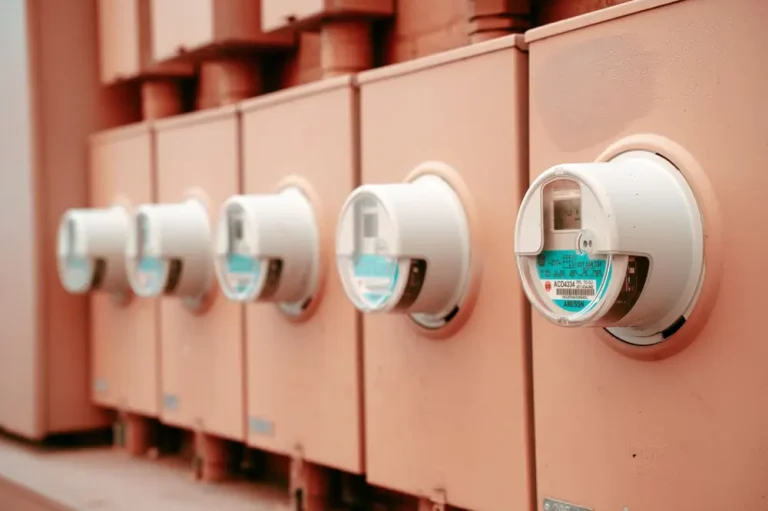
The battery route: the gateway detects an outage and transfers in milliseconds — faster than any generator. Runtime is finite: 10-20 kWh covers hours to a day of full load, longer on essentials. Between outages, the battery earns daily on time-of-use arbitrage — value the generator cannot touch. Long multi-day outages favor the generator; short frequent ones favor the battery.
What Moves the Price Up or Down
The choice moves on outage duration, fuel availability, load size, and the daily-value question.
| Factor | Cost Impact | Detail |
|---|---|---|
| Outage duration | ±the runtime question | Days favor fuel; hours favor storage |
| Generator kW size | ±$2,000-5,000 | Bigger units run more load |
| Battery kWh capacity | ±$1,000-1,300/kWh | More storage runs longer |
| Fuel availability | ±supply chain | Gas lines work during outages; propane tanks need refills |
| Daily value | ±$300-700/yr | Battery arbitrage the generator lacks |

The Two Whole-House Routes
By outage profile:
| Option | Description | Best For | Cost Level |
|---|---|---|---|
| Standby generator | Auto-start fuel power | Multi-day outage territory | $5,000-$20,000 |
| Battery backup | Silent instant storage | Short outages, daily value | $10,000-$20,000 |
| The pairing | Battery plus generator | The both-worlds household | $20,000-$35,000 |
Runtime runs on fuel; silence runs on stored kWh.
Three Realistic Project Scenarios
The multi-day outage zone — $5,000–$20,000
Rural areas with storm-week history.
- Standby generator — $5,000–$20,000
- Fuel per day — $20–$60
Why this matters: the multi-day zone prices the fuel — the tank the gas line the refills.
The short-outage metro — $10,000–$20,000
Frequent hours-long grid faults.
- Battery backup — $10,000–$20,000
- Daily value — $300–$700
Why this matters: the metro prices the instant silent — the arbitrage the between-events earnings.
The both-worlds pairing — $20,000–$35,000
Long and short outages both real.
- Generator plus battery — $20,000–$35,000
Why this matters: the pairing prices both strengths — battery for the instant, generator for the duration.
Check the outage history: the duration profile picks the technology.
Sample Budget Breakdown
The table below shows how a typical mid-range budget for whole house generator cost vs battery backup usa distributes across materials, labor and compliance in the United States. Adjust the percentages to your own scope before using it as a savings target.
| Category | Estimated Amount | Explanation | Optimization Tip |
|---|---|---|---|
| Route by technology | $5,000–$20,000 | installed | The profile the budget serves |
| Fuel cost | $20–$60 | per outage-day | The runtime the tank buys |
| Battery daily value | $300–$700 | annual | The between-outage earnings |
Every figure above is an indicative 2026 market range. Final quotes move with site conditions, contractor availability and the exact specification you lock in.
From Quote to Completion: the Typical Timeline
Most whole house generator cost vs battery backup usa projects follow the same five-stage rhythm. Knowing the calendar before you sign prevents the two classic frustrations — feeling rushed into a deposit, and being surprised by a mid-project gap while materials arrive.
- Commissioning: 1-2 weeks — Software pairing, the utility notification cycle, and the app that reports what the battery does.
- Week 0: load analysis and quotes — The outage inventory (what must run, for how long) sizes the kWh; three quotes on the same spec compare clean.
- Week 1-2: electrical and permitting — The load calculation, the breaker space, and the permit filing; the utility notification for grid-tied batteries.
- Install day: 4-8 hours — The battery, the transfer switch or gateway, and the configuration; the power-outage test closes the visit.
- Commissioning: 1-2 weeks — Software pairing, the utility notification cycle, and the app that reports what the battery does.

Smart Ways to Control the Budget
Cost control on whole house generator cost vs battery backup usa is mostly about scope discipline and timing. These are the strategies that consistently deliver the largest savings:
Match battery capacity to the outage you actually face
One evening of essentials runs 5-10 kWh; whole-home luxury runs 20+. Sizing to the fantasy doubles the price.
Advantages:
- Directly reduces the controllable parts of the quote
- No impact on quality or compliance when scoped correctly
Disadvantages:
- The honest sizing conversation starts with what actually goes dark.
- Requires planning lead-time you may not have on urgent timelines
Stack modular batteries instead of one big unit
Modular systems add capacity later at incremental pricing; the single big brick prices the future up front.
Advantages:
- Directly reduces the controllable parts of the quote
- No impact on quality or compliance when scoped correctly
Disadvantages:
- Modular ecosystems lock you to one brand roadmap.
- Requires planning lead-time you may not have on urgent timelines
Claim the tax credit with the solar install
Batteries over 3 kWh qualify for the federal ITC when installed with or after solar; standalone batteries after 2023 qualify too.
Advantages:
- Directly reduces the controllable parts of the quote
- No impact on quality or compliance when scoped correctly
Disadvantages:
- The paperwork requires the certification numbers at filing.
- Requires planning lead-time you may not have on urgent timelines
Price the VPP programs before the warranty
Virtual power plant enrollment pays $200-$1,000 yearly in some markets; the program terms constrain the battery.
Advantages:
- Directly reduces the controllable parts of the quote
- No impact on quality or compliance when scoped correctly
Disadvantages:
- Programs change — the enrollment that pays today may not renew.
- Requires planning lead-time you may not have on urgent timelines
Permits, Rules and Safety
Standbys file gas and electrical permits through the installer; batteries file the utility interconnection.
- Battery location codes: garages and exterior walls serve; bedrooms and egress paths refuse. The placement the codes write.
- The electrical permit covers the transfer switch and the new circuits; the inspection verifies the disconnects the responder safety runs on.
- Grid-tied batteries want the utility notification — the interconnection modification the installer files with the existing agreement.
Maintenance and Long-Term Ownership Costs
The project price is only the first line of the budget. These recurring items are what owners in the United States actually spend money on after the crews leave:
| Task | Frequency | Typical Cost | Why It Matters |
|---|---|---|---|
| Battery health via app | Monthly | Free | The capacity trend the app charts prices the warranty conversation years early. |
| Ambient temperature management | Seasonal | Free | Batteries age with heat; the garage placement the shade serves outlasts the sun-baked wall. |
| Warranty registration check | Once | Free | The registration the purchase skips voids coverages the price assumed; the five-minute verify. |
| VPP program terms review | Yearly | Free | The enrollment that pays changes terms; the annual read keeps the program honest. |
Generators want weekly exercise runs and yearly service; batteries want the app check. The maintenance profiles differ as much as the technologies.
Frequently Asked Questions
How much does a whole-house generator cost?
$5,000-$20,000 installed in 2026 — sized by kW, the 20 kW class covering most homes with central AC.
Generator or battery for the whole house?
Multi-day outages favor the generator; short frequent outages and daily TOU value favor the battery. The pairing covers both.
Can a battery back up the whole house?
Yes at 20-30 kWh for evening coverage; multi-day whole-home runs 40+ kWh or the generator the fuel the extends.
What does generator fuel cost during outages?
$20-$60 per day by load — natural gas metered or propane refilled. The battery recharges from solar or the grid between events.
Summary
Planning whole house generator cost vs battery backup usa in the United States starts with an honest range — $5,000–$20,000 for the scenarios most households actually install — then works backwards through the fuel-versus-storage runtime trade.
Whole-house generators and battery backup price honestly at $5,000-$20,000 each: the fuel the unlimited runtime buys, the storage the silence and daily value carries, and the pairing the both-worlds household runs. The outage history decides — read it before the quote. Collect at least three itemised quotes, confirm the permit path before signing, and hold a 10–15% contingency for site surprises. Those three habits protect more budget than any product choice.